Scent,
composed.
Ten fragrances. Six objects. Composed from material and atmosphere, with the restraint left in.
Ten fragrances and six objects. Nothing seasonal, nothing manufactured to make you hurry, nothing that needs explaining twice.
Each composition starts from a material. Vetiver root, orris butter, cold salt air. Then it gets built upward with structure, not decoration. If a fragrance cannot be described in three materials, it never leaves the studio.
 Eau de Parfum
 Ritual Objects
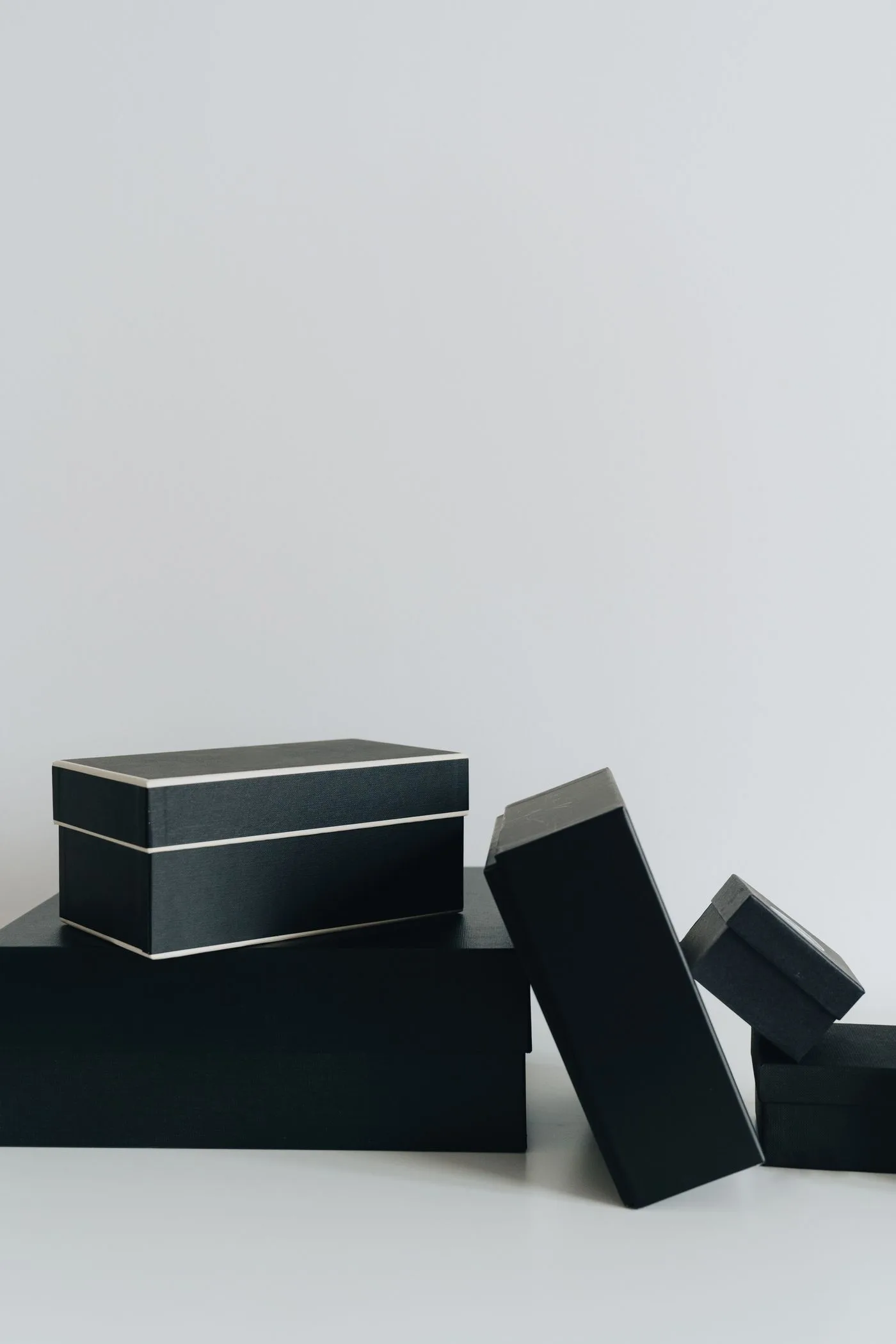
NO. 04
CINDER
Pink pepper, incense, vetiver. Smoky, dry, mineral. Our signature. A room where something was just burned, on purpose.
$145
The material of the invisible.
Fragrance has no form, so we compose it from things that do. Six materials keep showing up in every bottle and object. This is them.

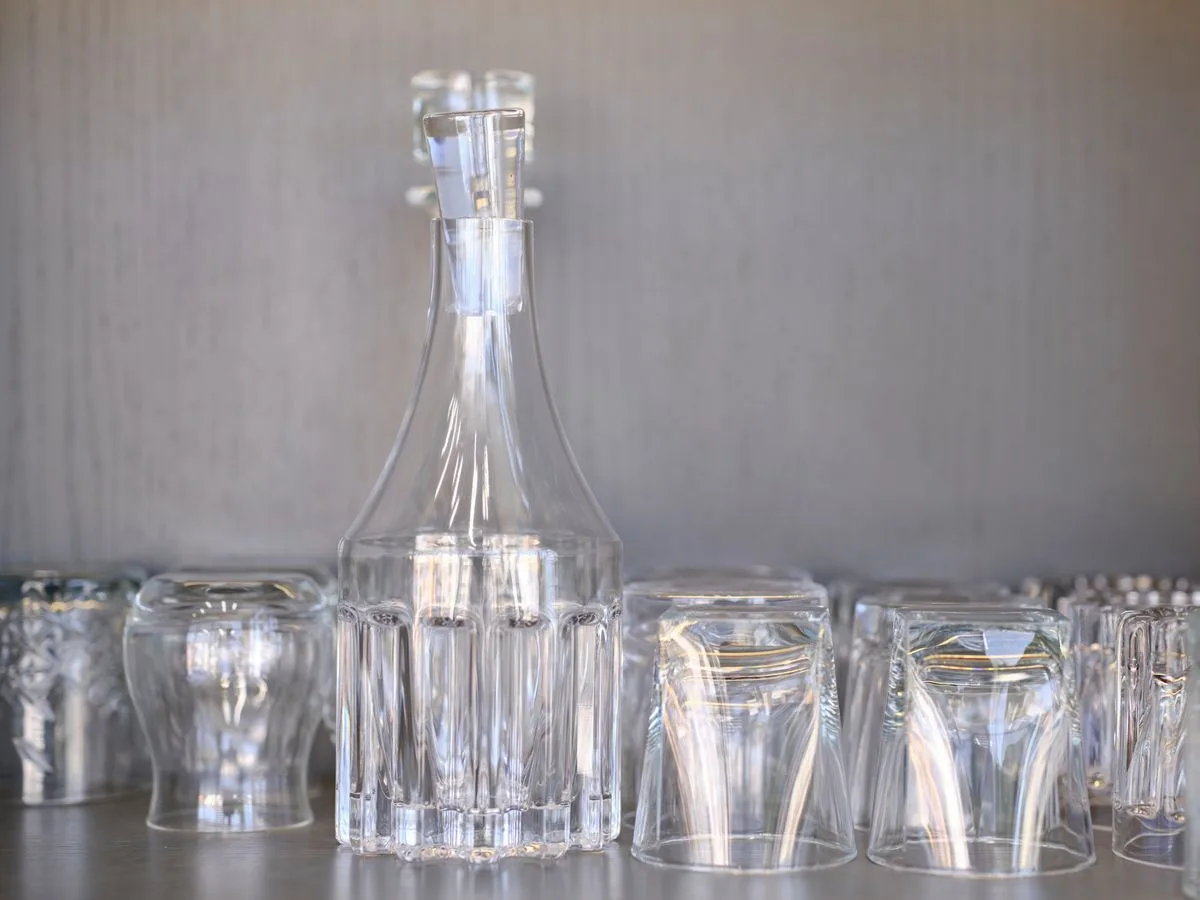

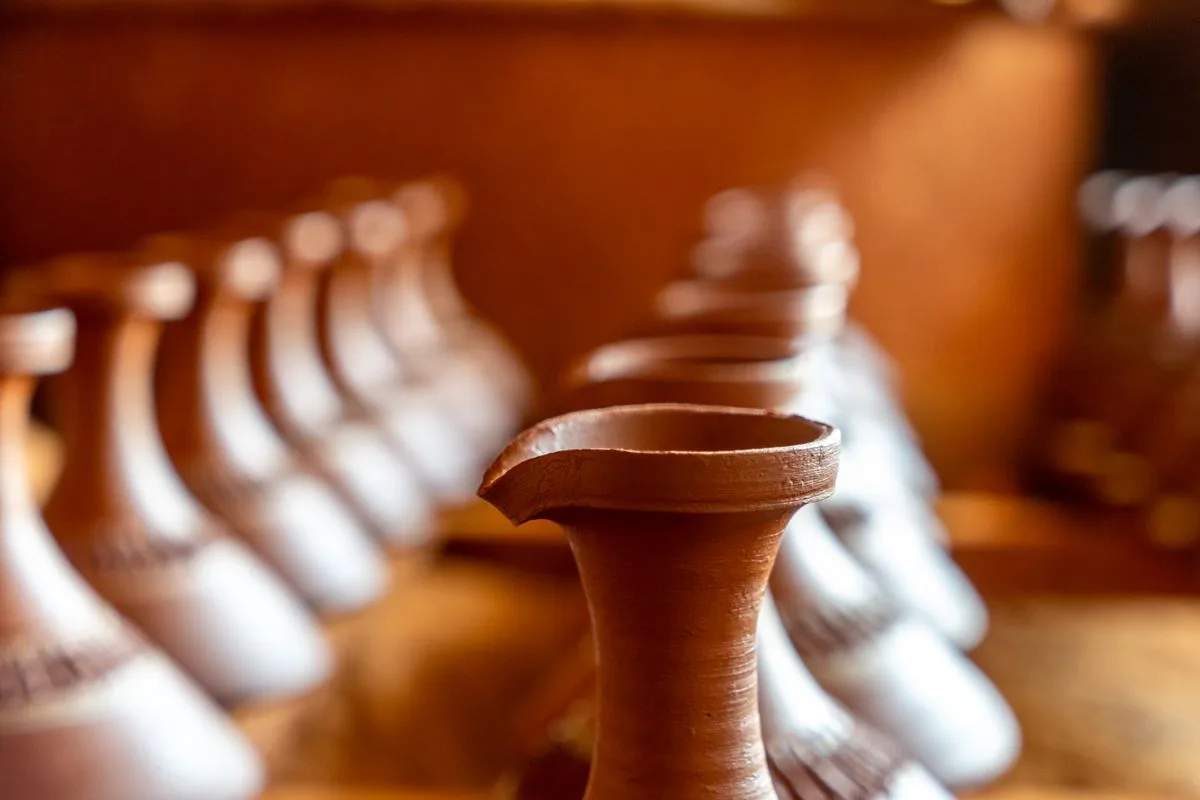
Objects for the atmosphere.
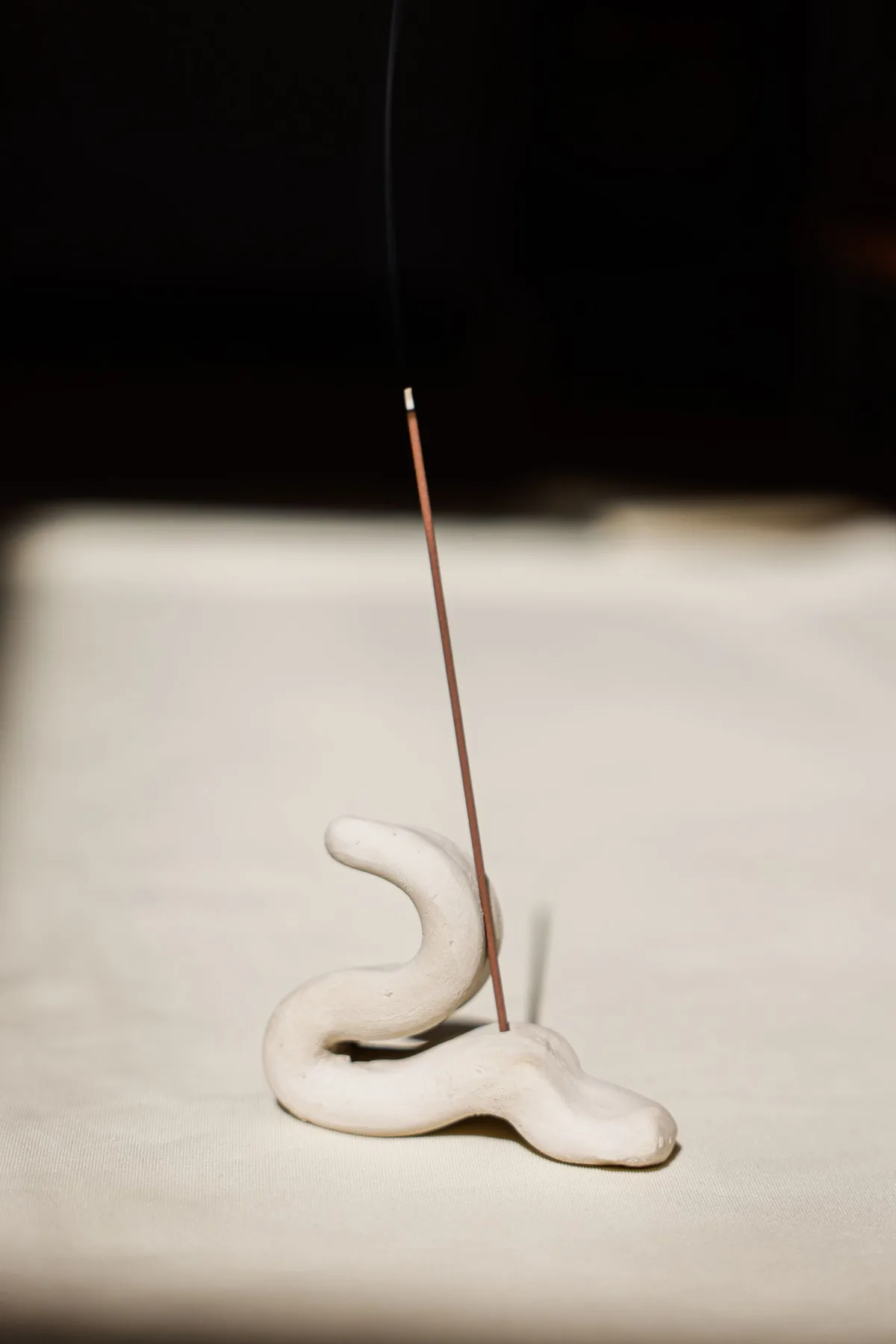
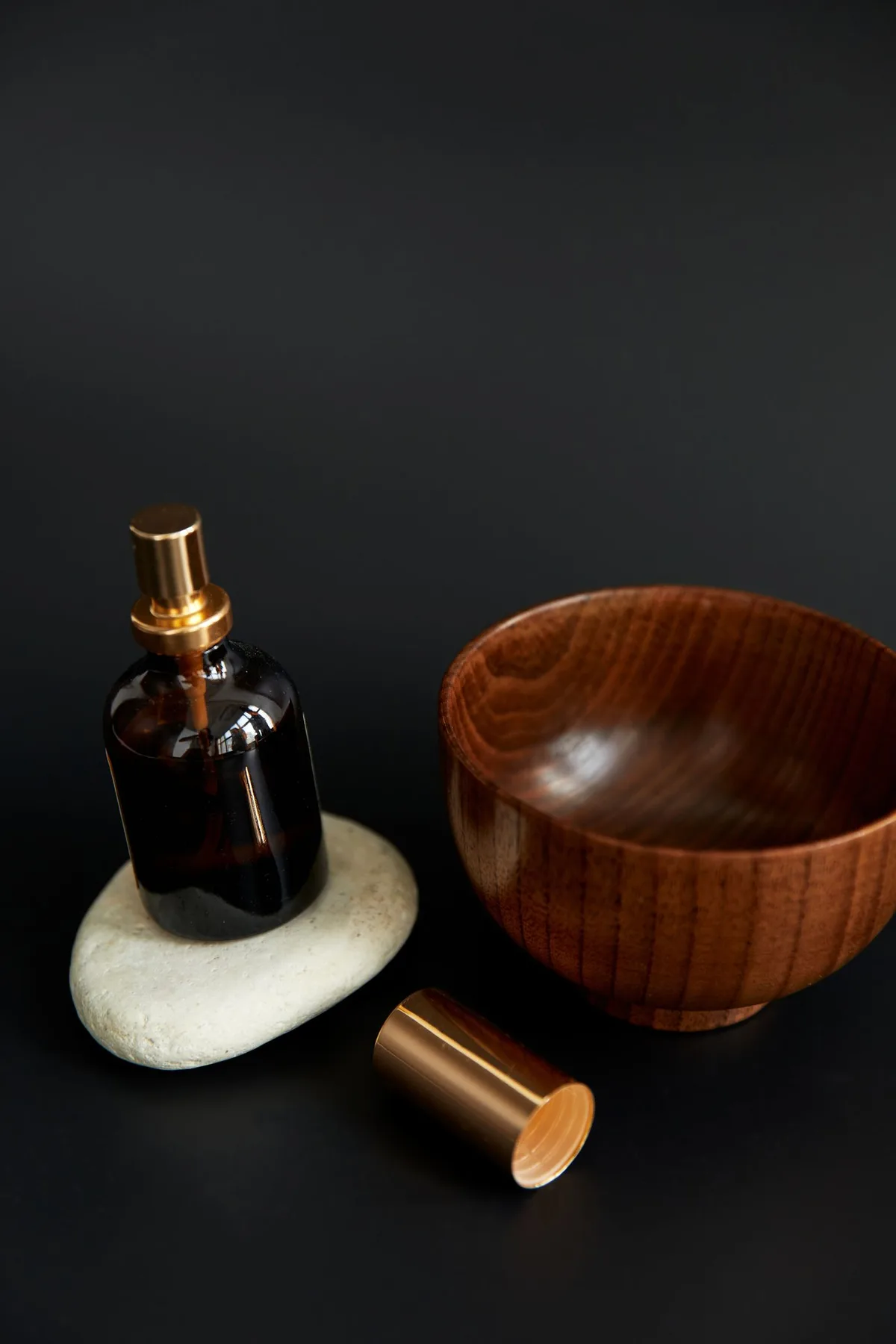
Four instruments from the same studio as the fragrances. For holding, burning, carrying, and keeping scent.
After
Warm, dark, lingering. The last hour of the evening, kept. Nothing else in the house wears this long.
The journal.
All stories →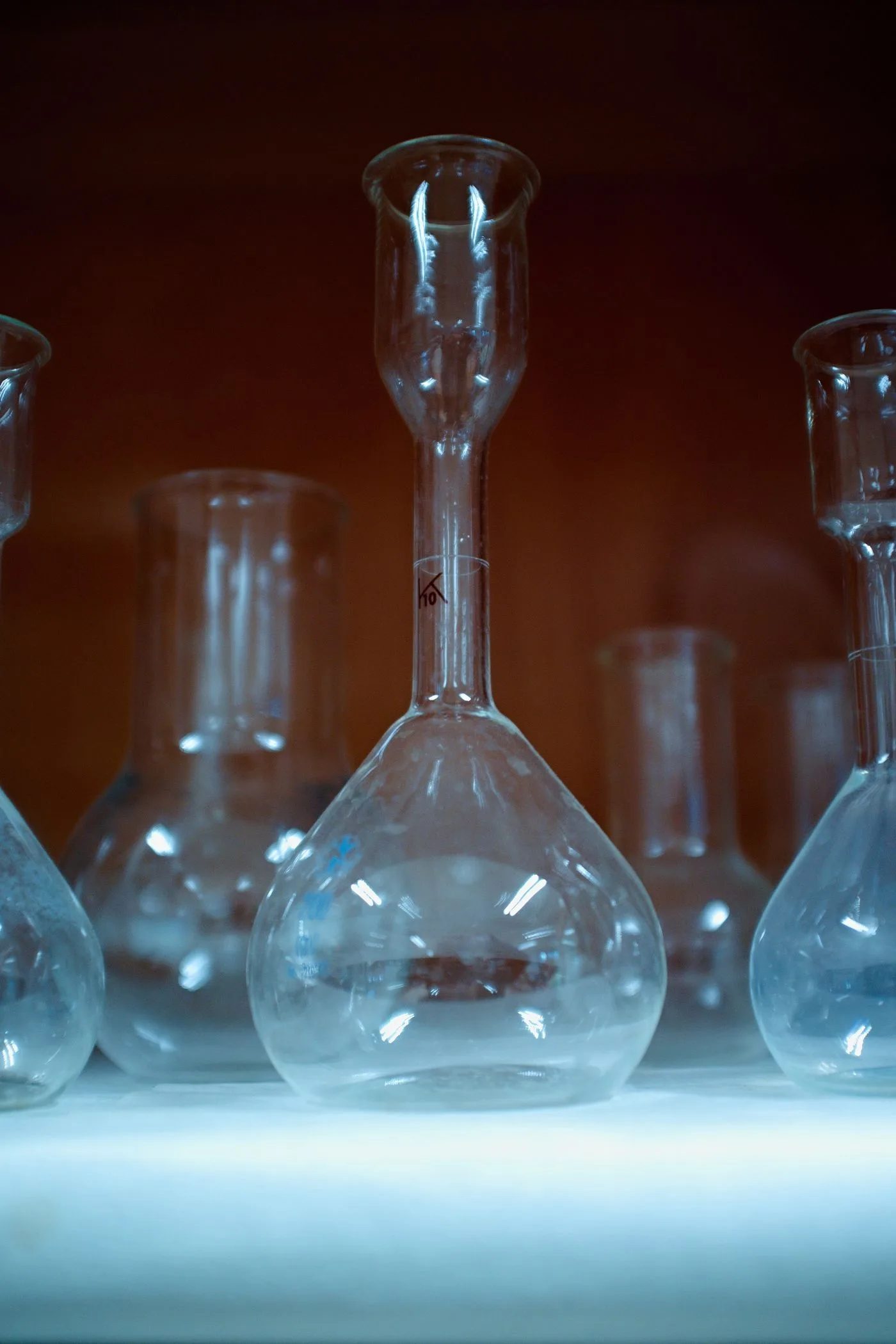 The Architecture of ScentA fragrance has load bearing walls. How we compose them, opening, heart, trace, and why structure matters more than any single note.
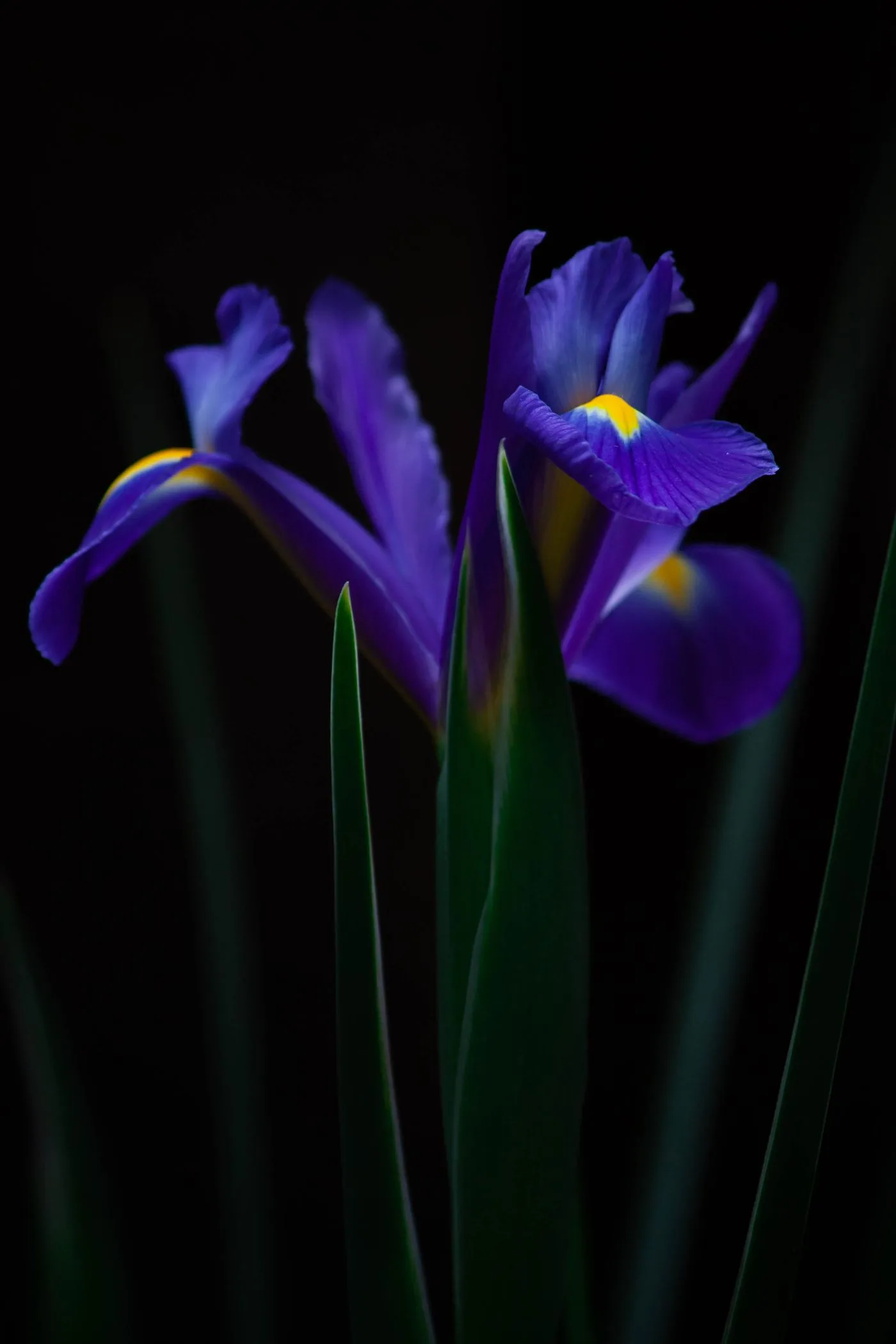 Why Iris Feels ColdOrris butter takes years to make and smells like powder on stone. Why the slowest material in perfumery reads as temperature, not flower.
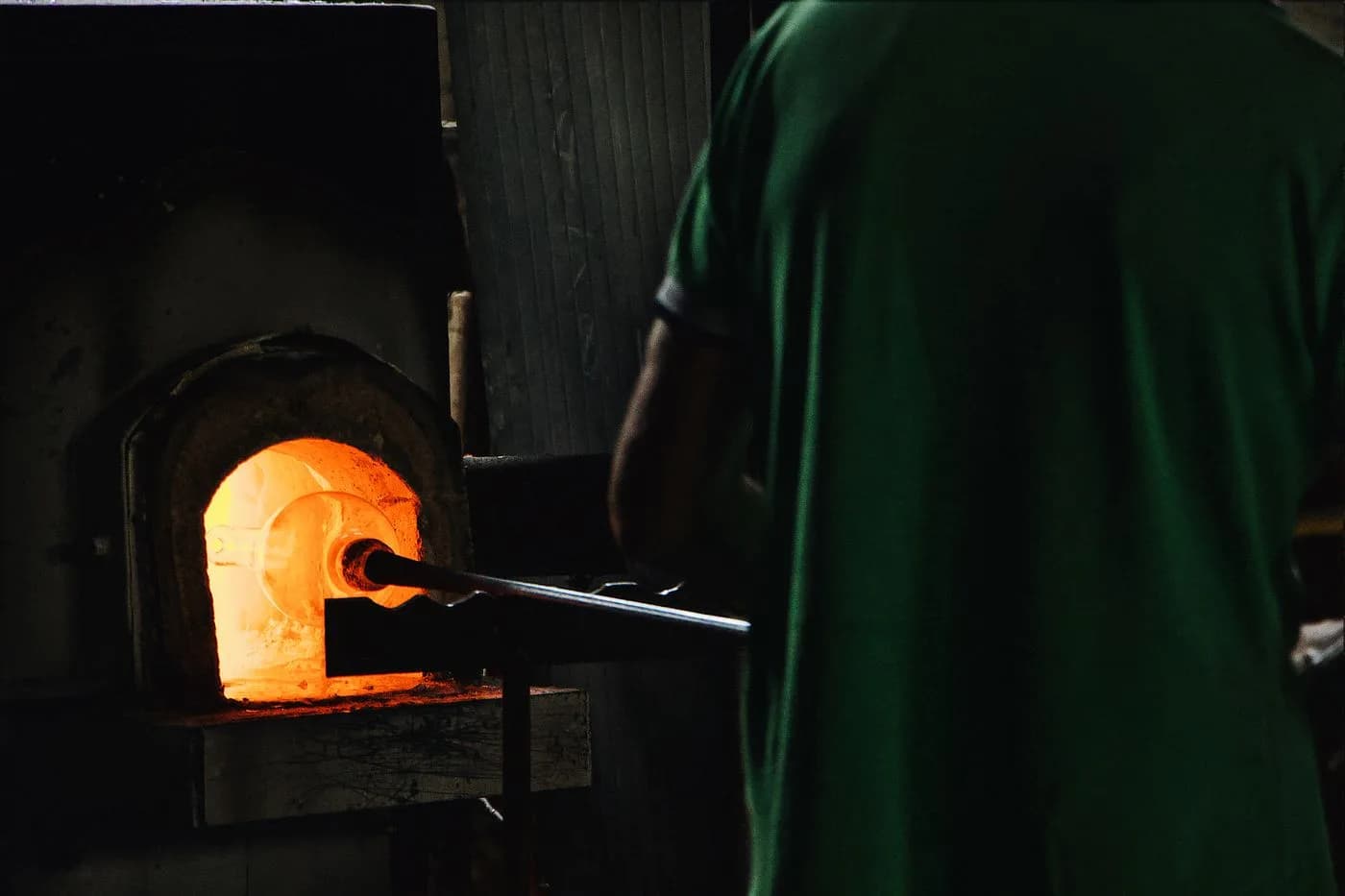 The Material Life of a BottleHeavy glass, minimal cap, thick base. Designing a bottle that behaves like an object instead of packaging, and the craftspeople who shape it.Inside NO. 04 / CINDERPink pepper, incense, vetiver. The story of the house signature. Controlled fire, and why our most demanding fragrance became our most worn.
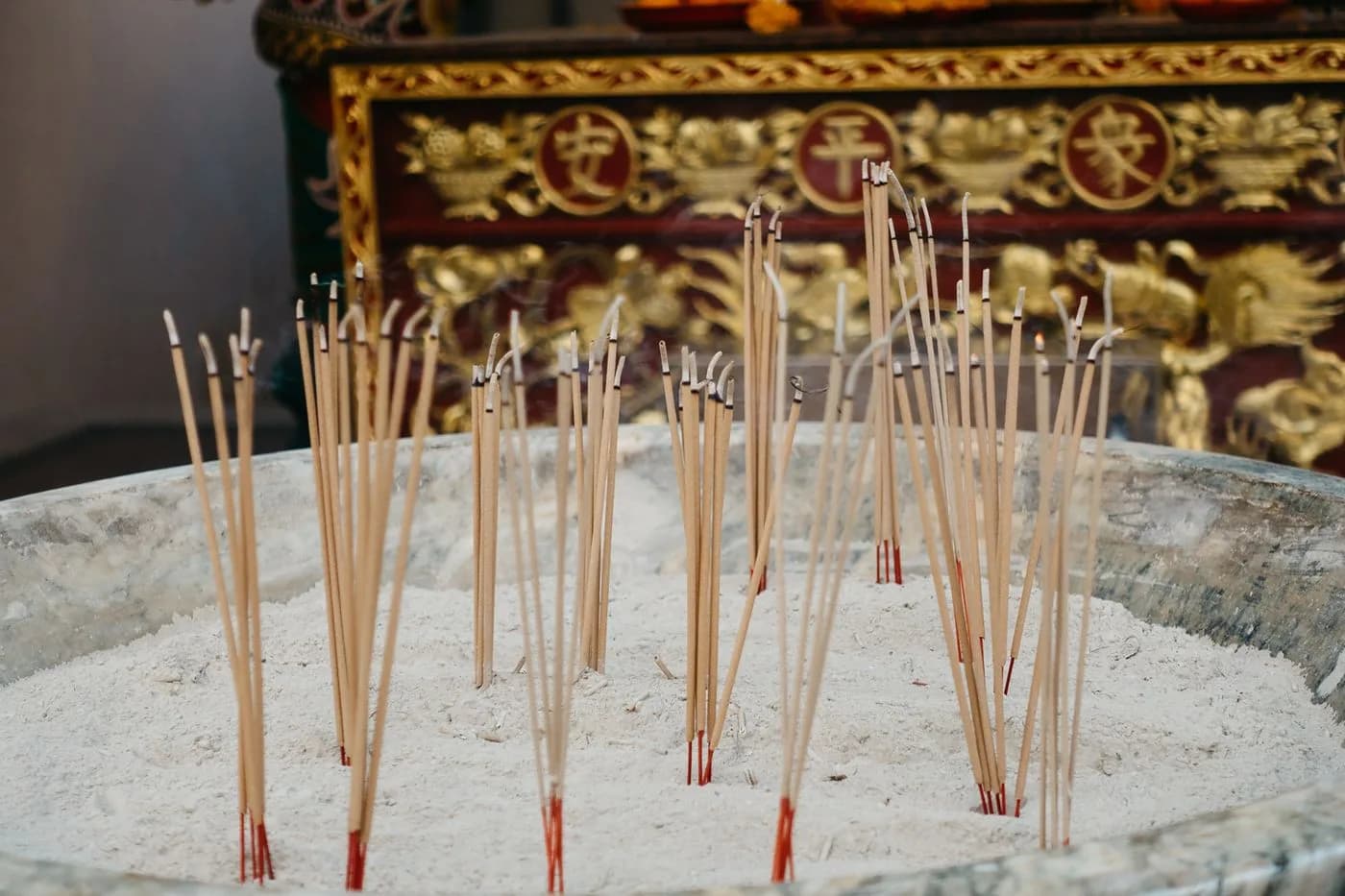 A Short History of IncenseFive thousand years of burning resin on purpose, from temple to studio apartment. Notes toward understanding our oldest object, ASH.
 The Ritual of Applying FragranceWhere, how much, and when. A short, practical guide to wearing fragrance well. Wrists, heat, cloth, restraint.